Buenos Aires
Bringing the edges of the night
Renata Juncadella / Verónica Gómez /
Curator
Text by Carolina Cuervo
Aug. 28, 2026 — Oct. 3, 2026
About exhibition
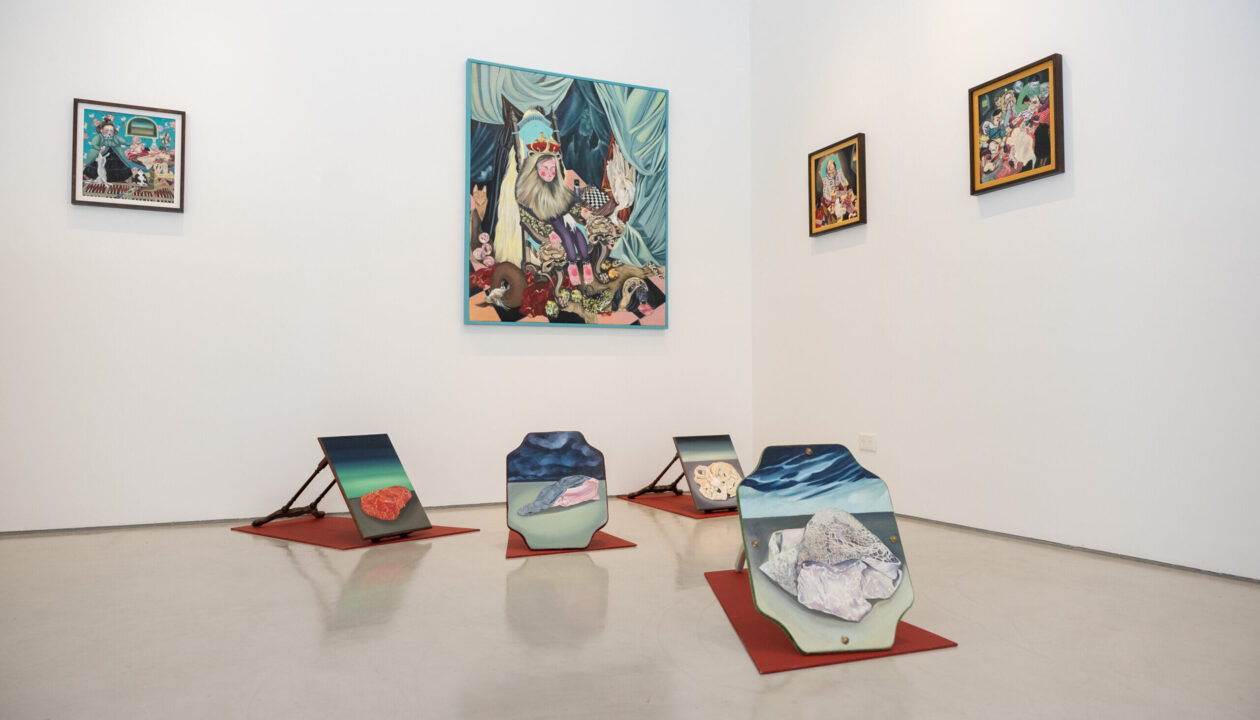
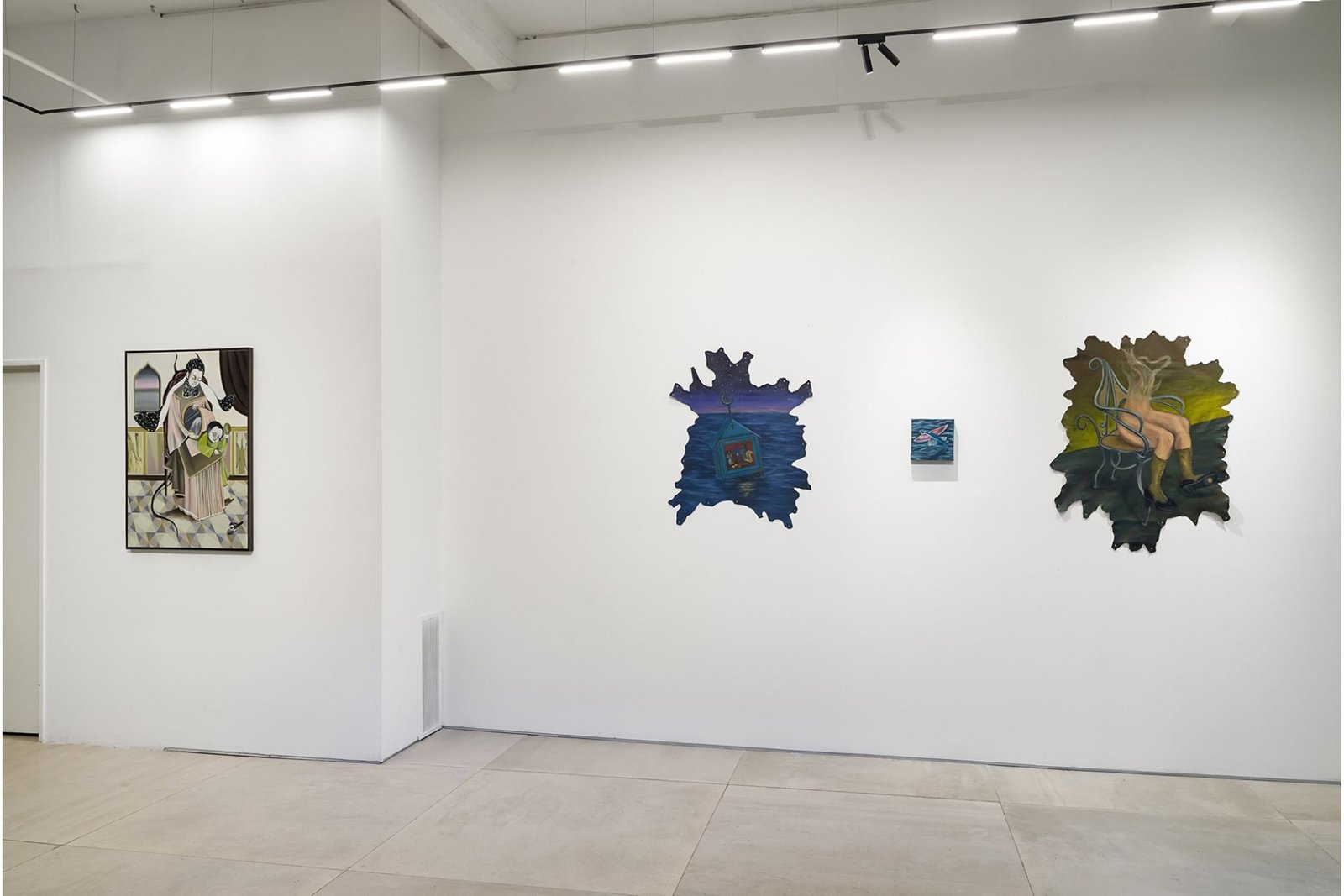
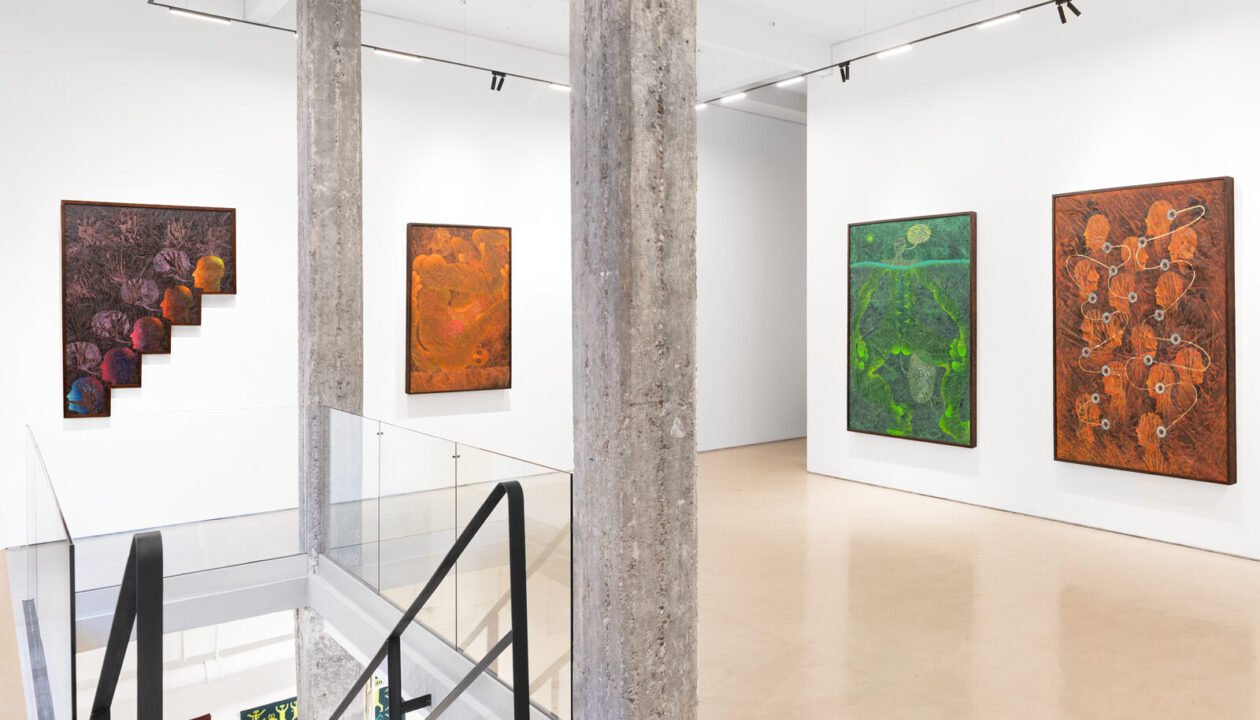
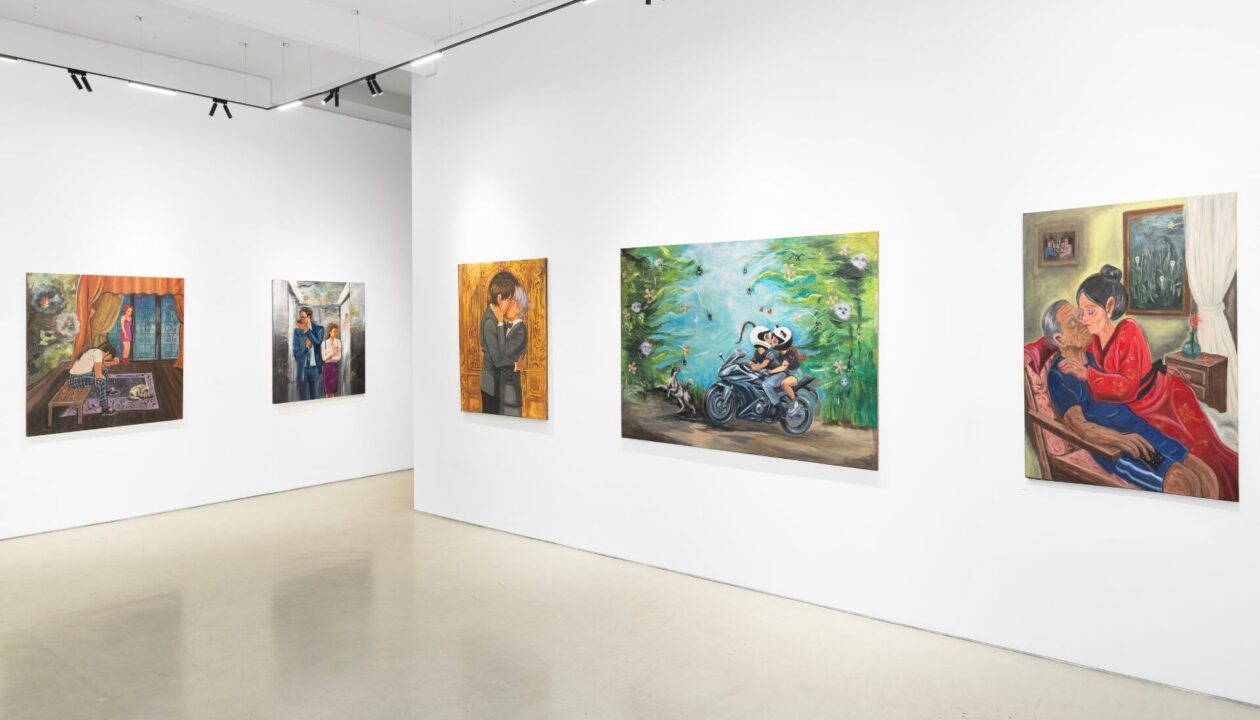
Beliefs coexist in their paintings. They trust in the therapeutic dimension of the practice of art. I suspect that, besides being painters, they are also magicians. Or perhaps I should say witches, mediums, sorceresses, shamans, healers, spiritualists? Women capable of bringing the visible together with the invisible.
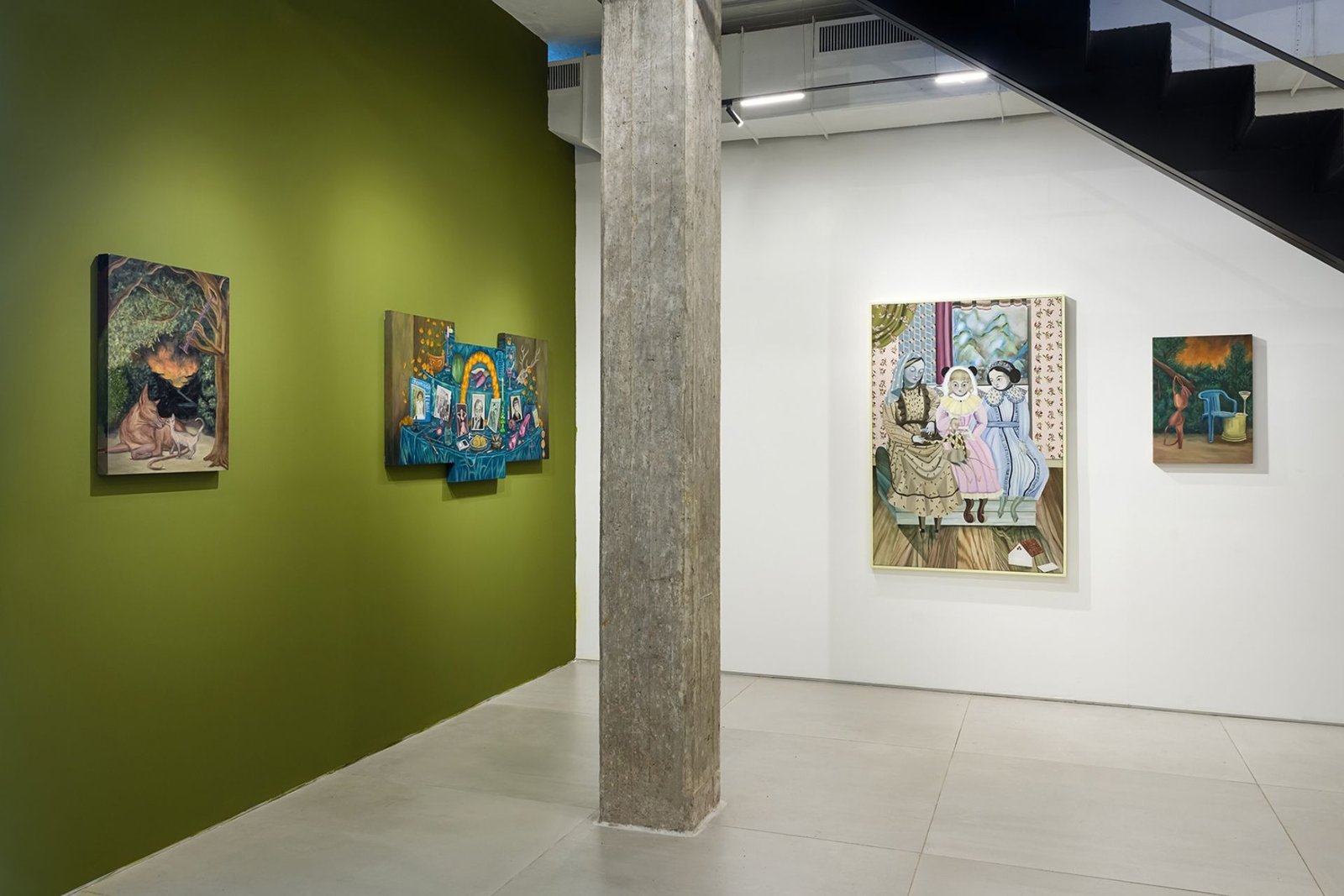
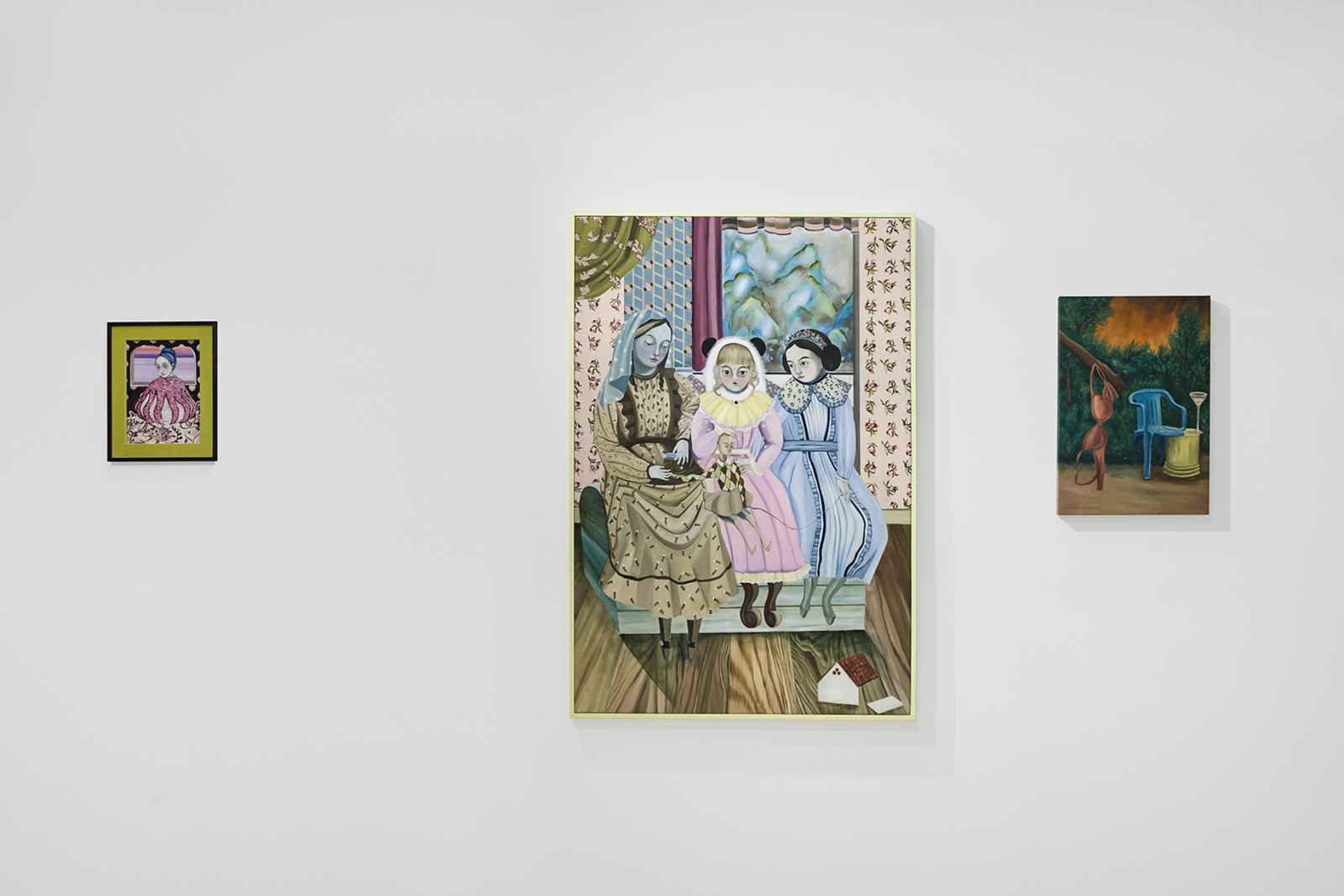
“Yes, as in kaleidoscopes, or as in a circular self, like a dressing room, where the one who is going to be, wearing the mask of an old woman, tries on the mask of the one who was, wearing the mask of a little girl, and vice versa, and so on.” O.O1
“(…) She embodied it in these small, enclosed spaces of the Day of the Dead, where all the objects are useless, and yet seem to have been recently touched by someone who has just hidden themselves, dissolved into that impregnated and tense air, almost organic, because it is merely the rarefied deposit, the amorphous body where the molecules of the invisible endure in suspension.” O.O2
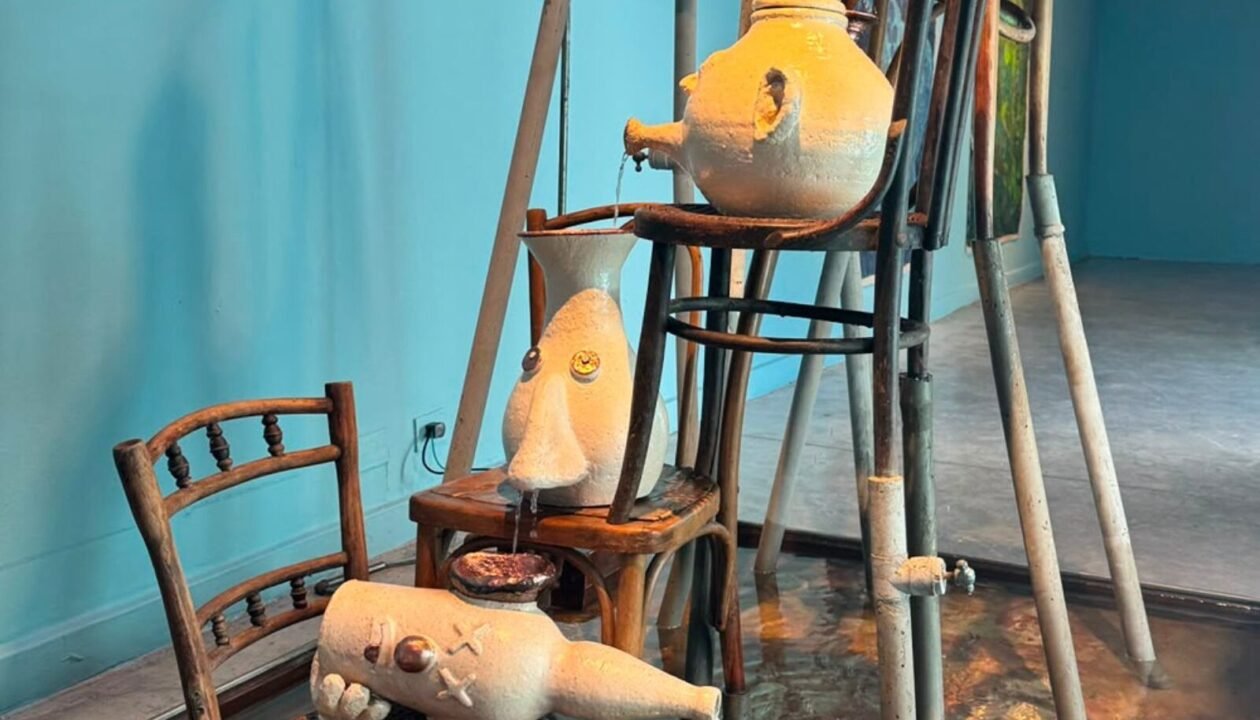
I could begin with “Once upon a time.” Tell a story, imagine dialogues or sounds produced by those hybrid beings—objects-things-person-animal—represented in the paintings of Verónica and Renata. I could construct a narrative that tells, animates, historicizes, and situates all those spaces—internal or external—and embellish the text with an enumeration of the textures and the varied palette of colors they present.
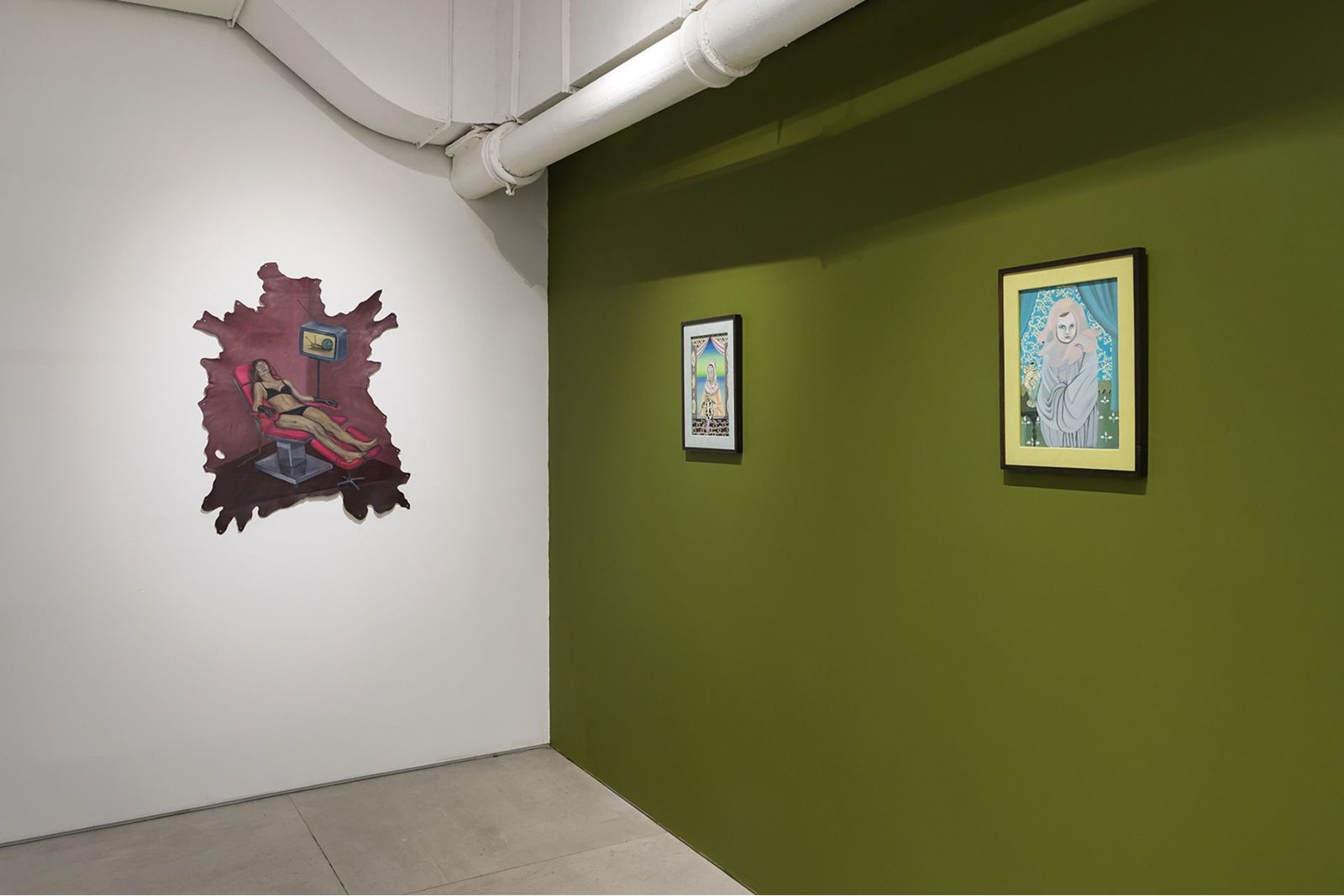
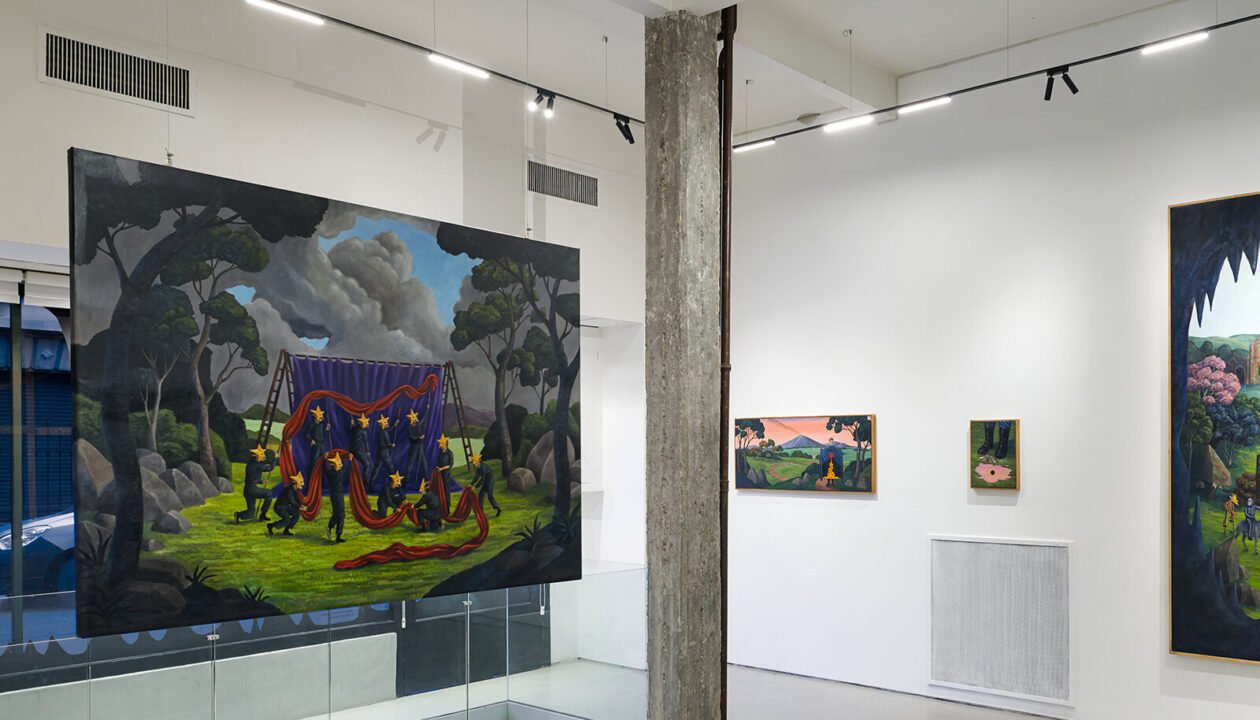
Their works share things that the eye immediately connects: the world of dreams, or rather, I should say, surrealism, magical realism, and, at times, Gothic horror. The imaginary worlds of fantasy and science fiction. Symbols abound, as do references to art history, in scenes or settings, as well as the genre of portraiture.
What cannot be seen at first glance, but can be sensed, is that their paintings share the fact that they were produced within the framework of a displacement. That they are the result of impressions of travel. Concrete and possible, physical and mental. They travel and carry images within them. They are frightened by the unknown at the same time as the spirit opens itself to discovery. They bring together the edge of afternoon-night with the edge of night-dawn. The time of one hemisphere with that of the other. They travel through time and space.
Although they know that bringing shadows together in painting does not mean reaching the bottom of the matter, but rather going beyond it: entering the depths of the ocean, the interior of a thorax, the narrow space of a submarine capsule. Confronting the dead and their sorrows, looking into the eyes of that which is not spoken of, that which is swept under the rug. A cowhide rug.
Beliefs coexist in their paintings. They trust in the therapeutic dimension of the practice of art. I suspect that, besides being painters, they are also magicians. Or perhaps I should say witches, mediums, sorceresses, shamans, healers, spiritualists? Women capable of joining the visible with the invisible. Of summoning something that does not allow itself to be fully seen, of making figures, states, presences appear. Of opening the door to the multidimensional archive of the soul, from which images return from different layers of memory, as strange, uncomfortable, and unstable as they are familiar.
Painting presents itself, depending on the case, as a tool, a system of appearances that imposes itself as reality.

Aizicovich /
Unchained Melody
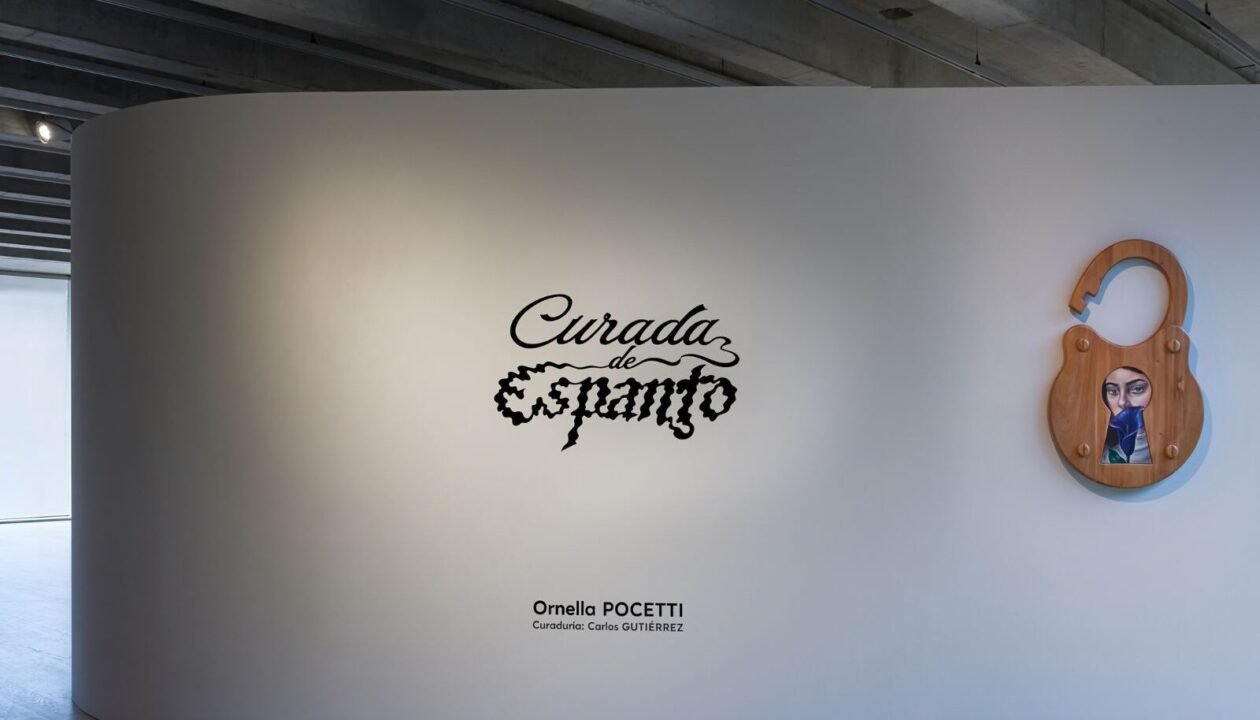
Pocetti /
Cured of fright
Canevari /
Force majeure
Aizicovich /
Speak so I can see you
PECCI CAROU /
The Vigil of Eros
LEVY /
Third Spectral Atomic
PAREDES /
A handful of earth
JUNCADELLA /
What cuts is a shortcut
GIMÉNEZ /
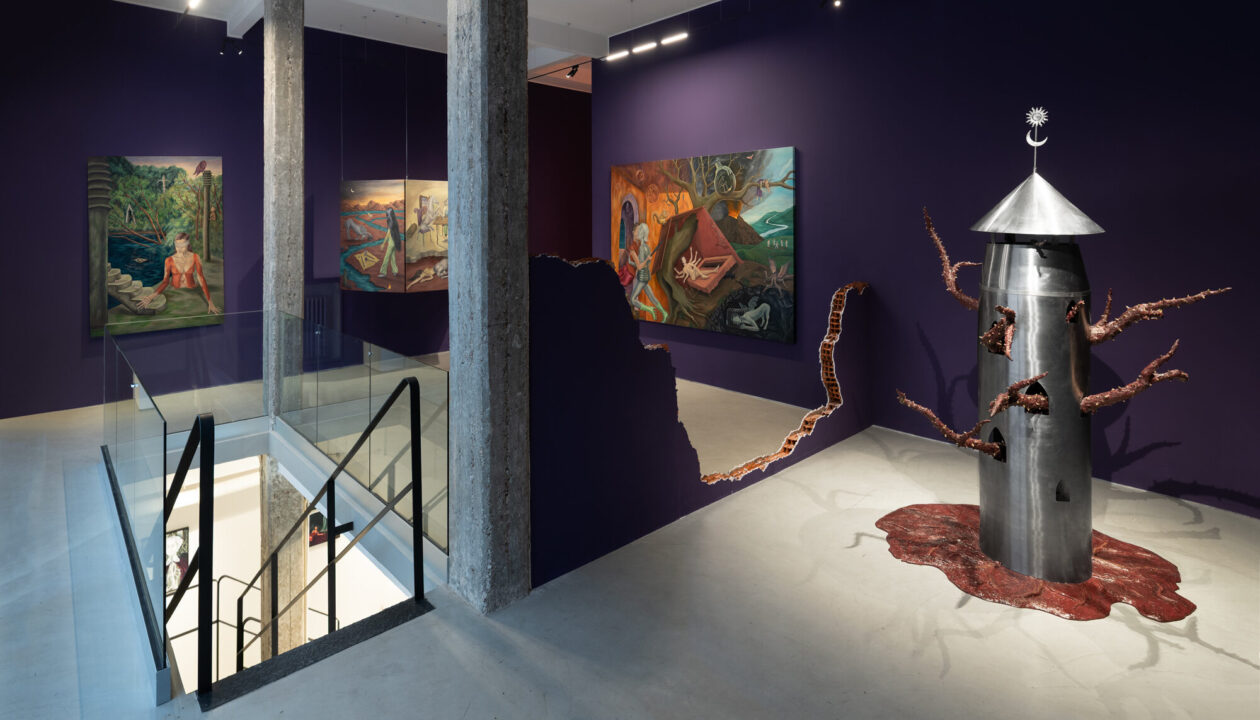
Shell for something immense
CALFAT /
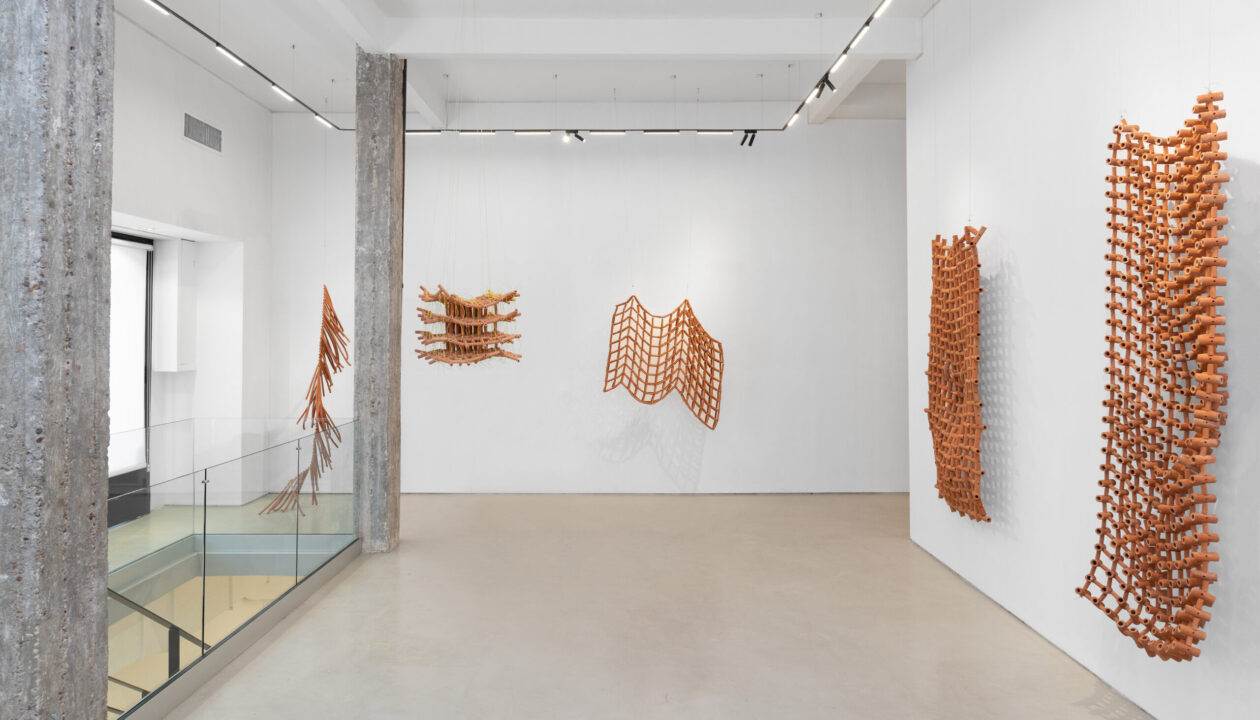
Principle of innerness

PAREDES /
El jardín interior

VALENTINI /
La frontera fantasma

GRADÍN /
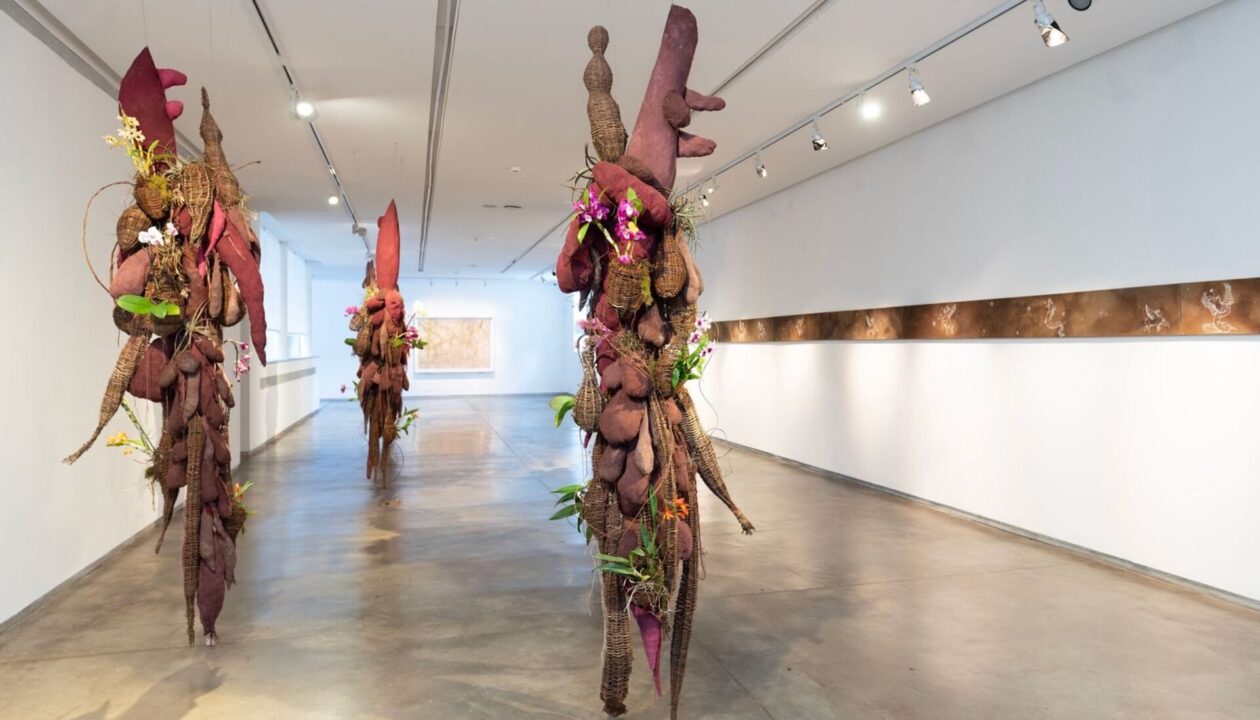
Genealogía Vegetal

GÓMEZ /
Las vestiduras peligrosas