Buenos Aires
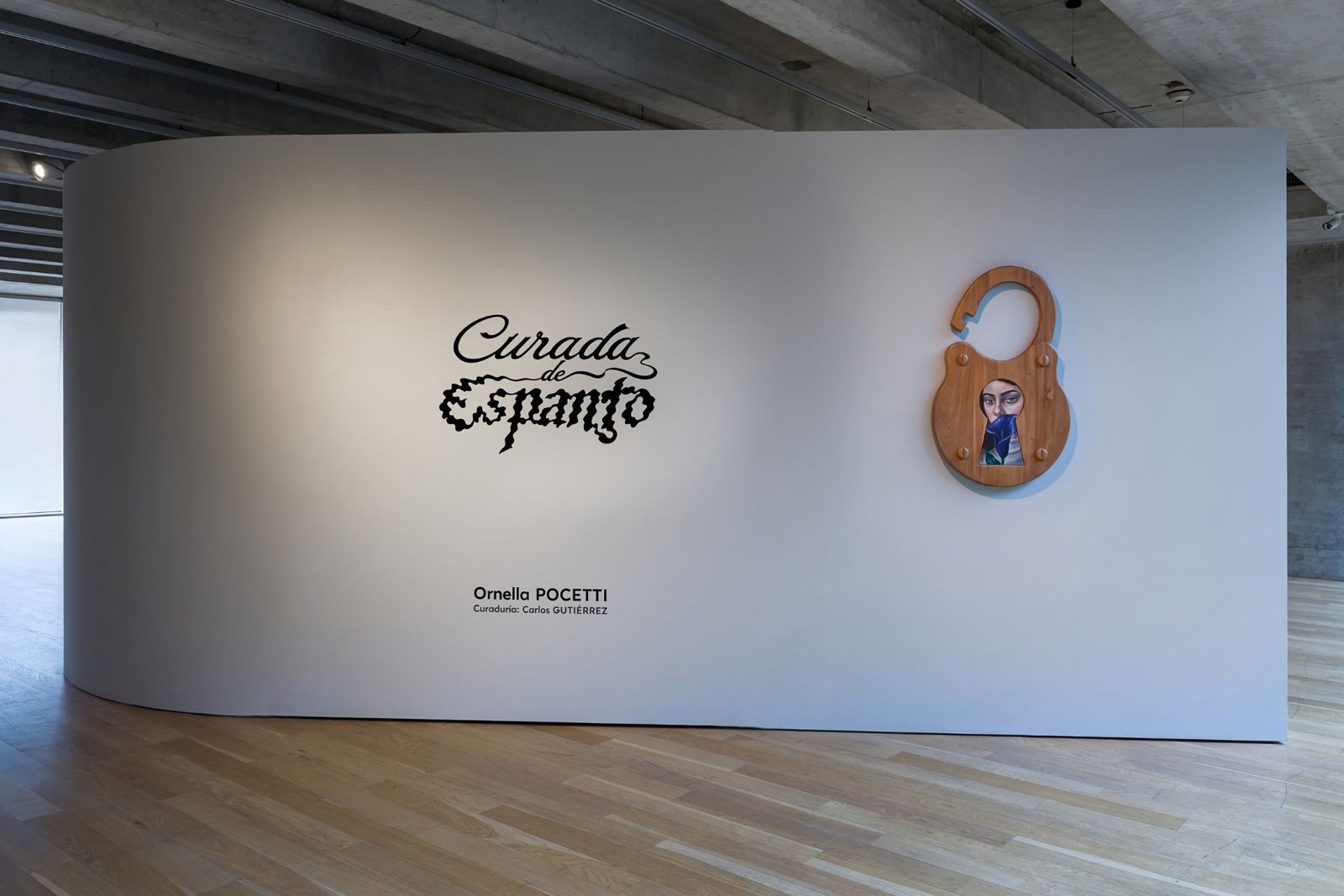
Curada de espanto
Pocetti /
Curator
Text by Carlos Gutiérrez
Aug. 13, 2026 — Nov. 8, 2026
About exhibition
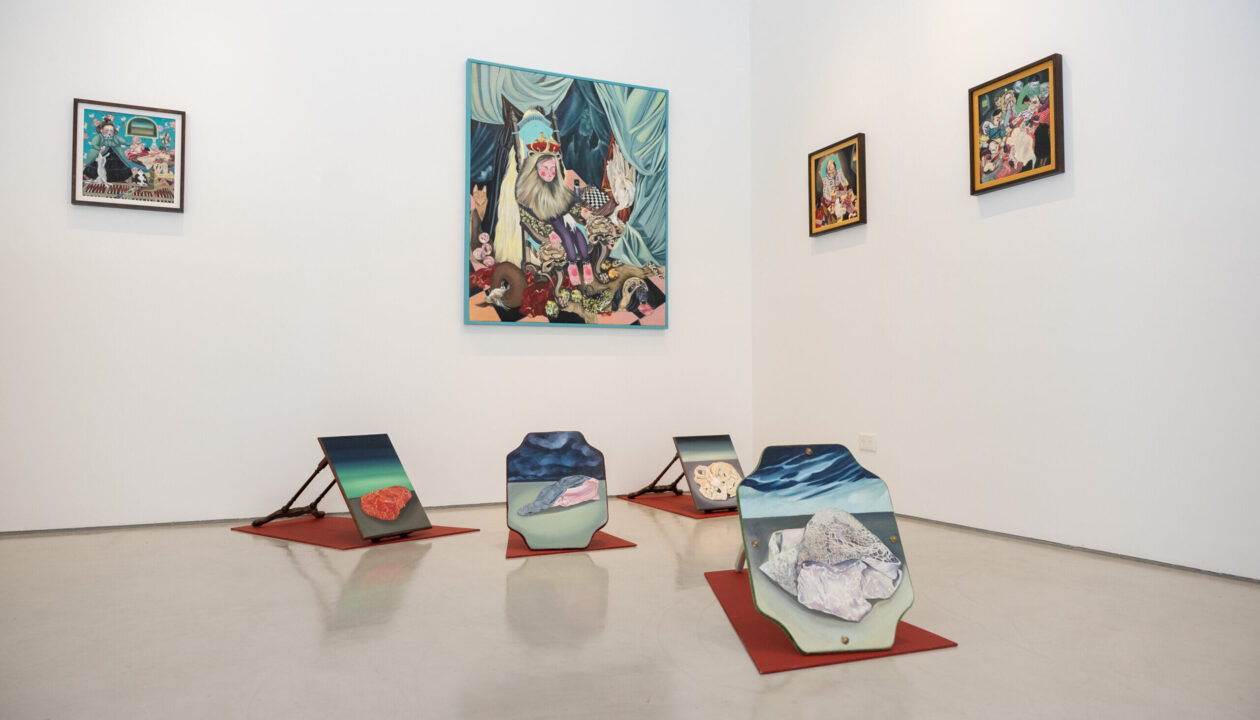
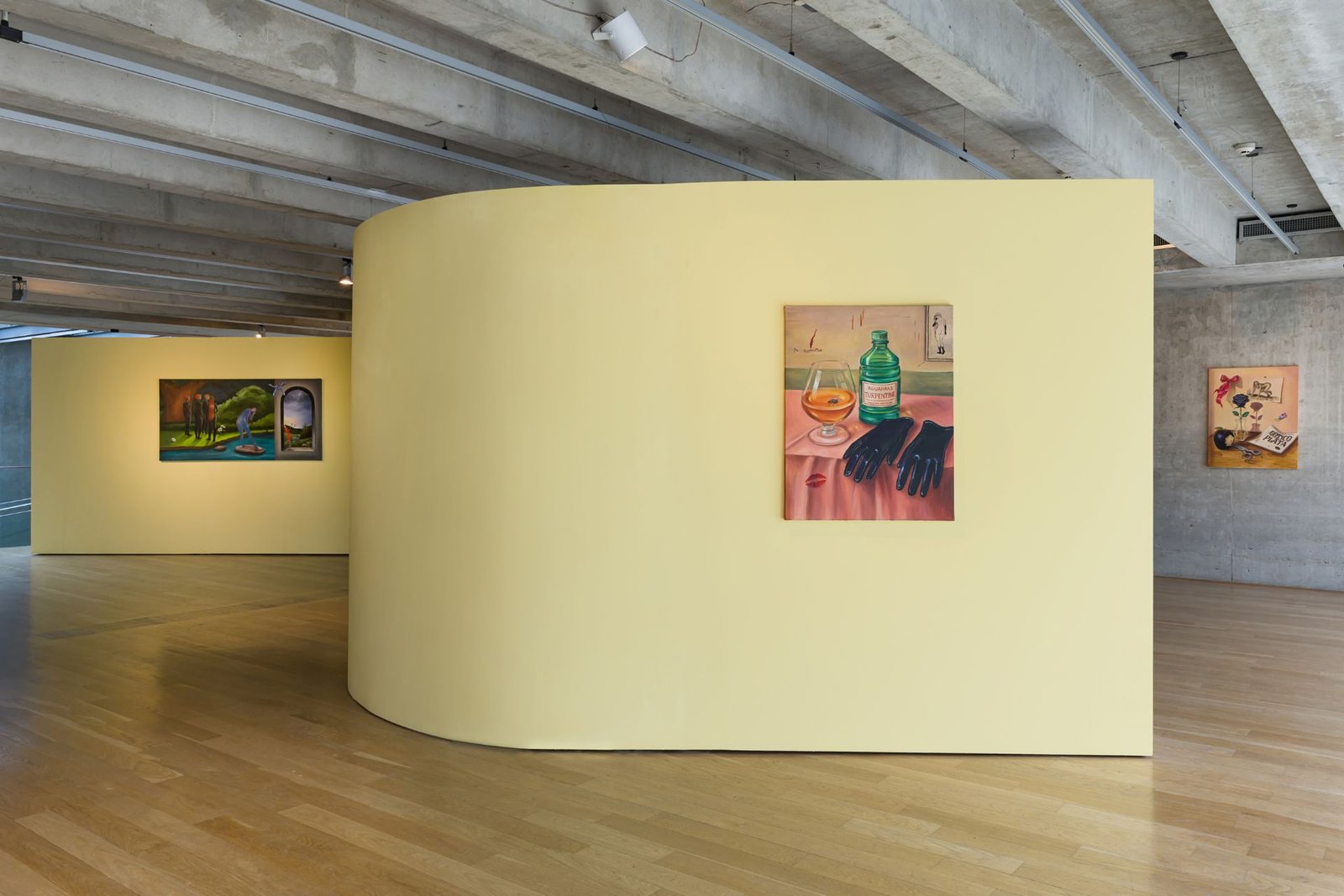
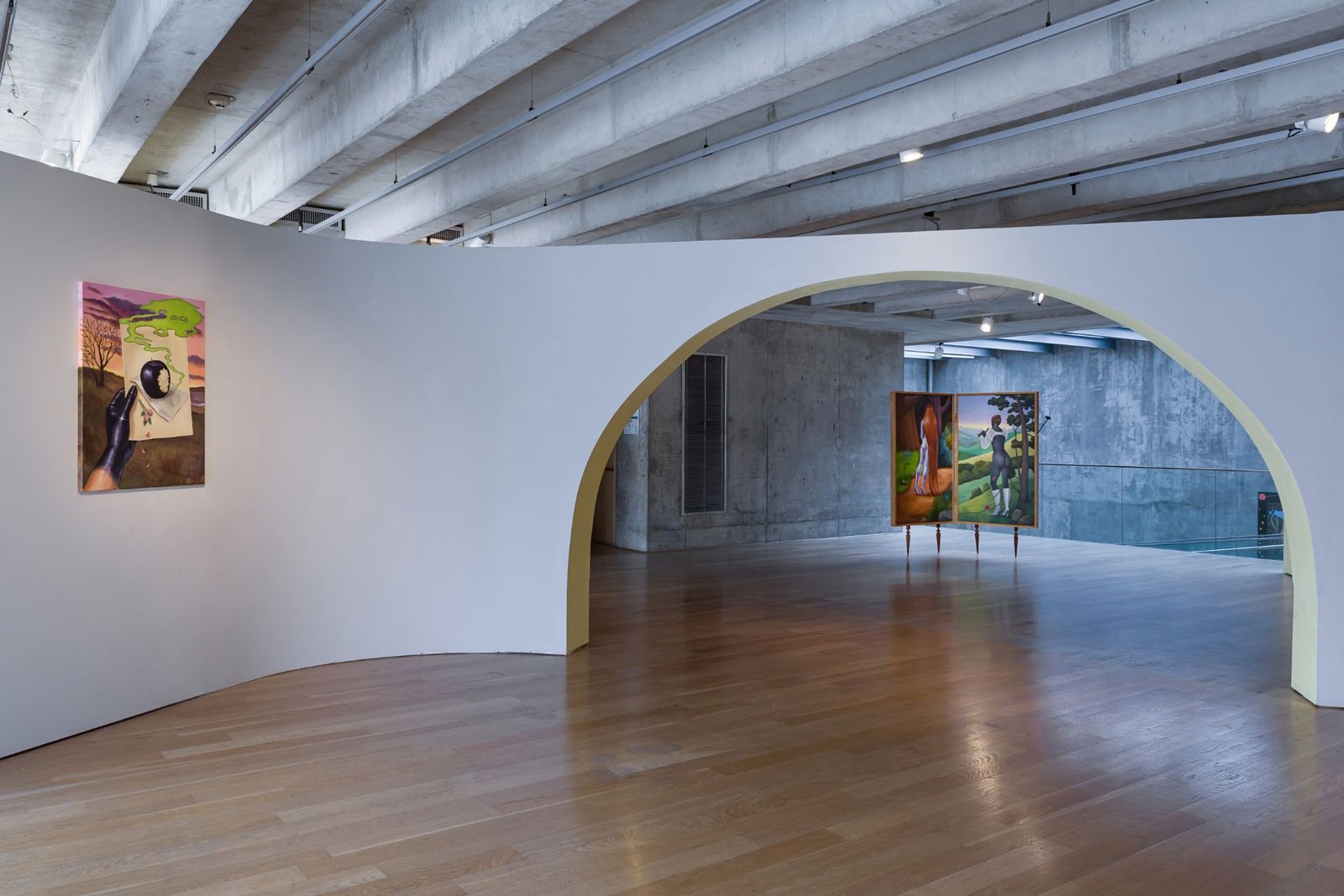
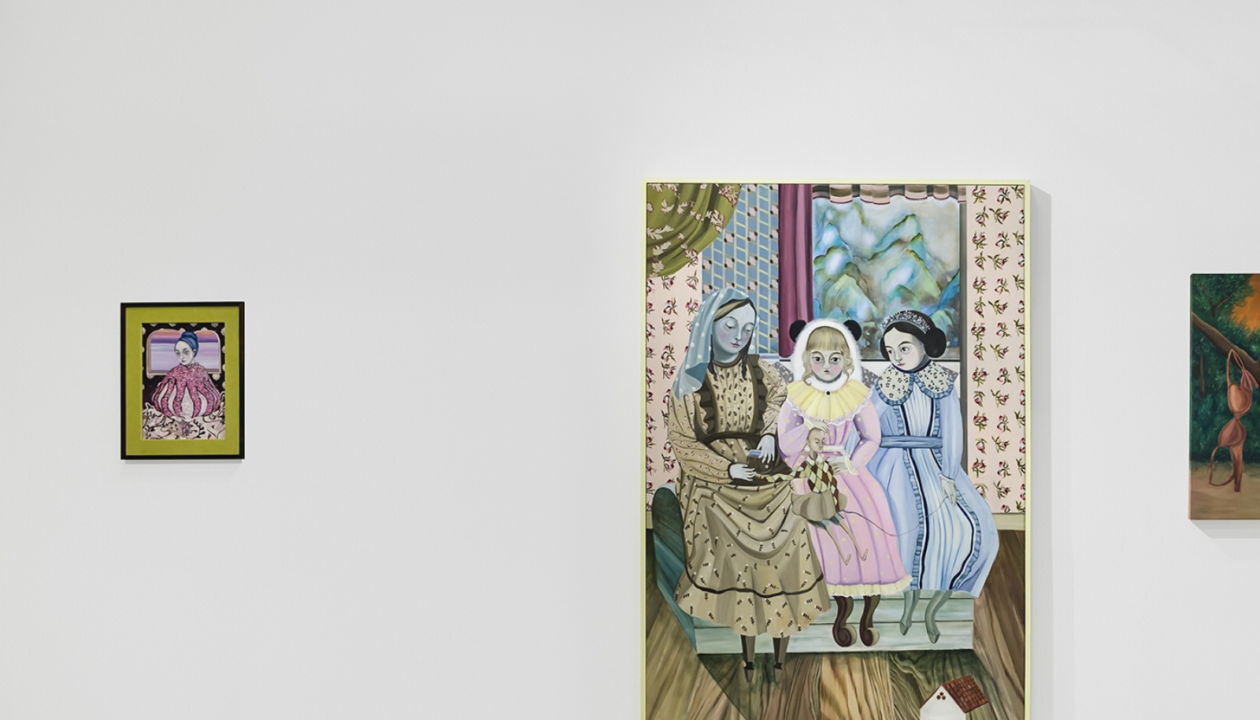
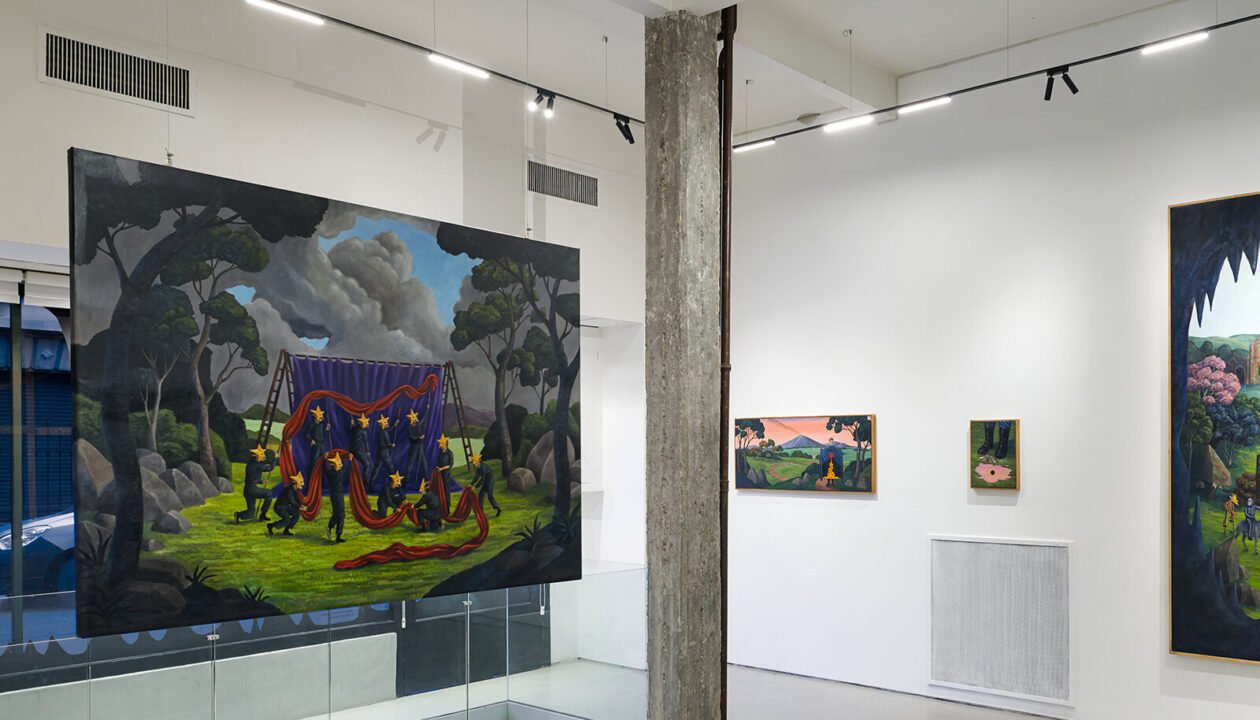
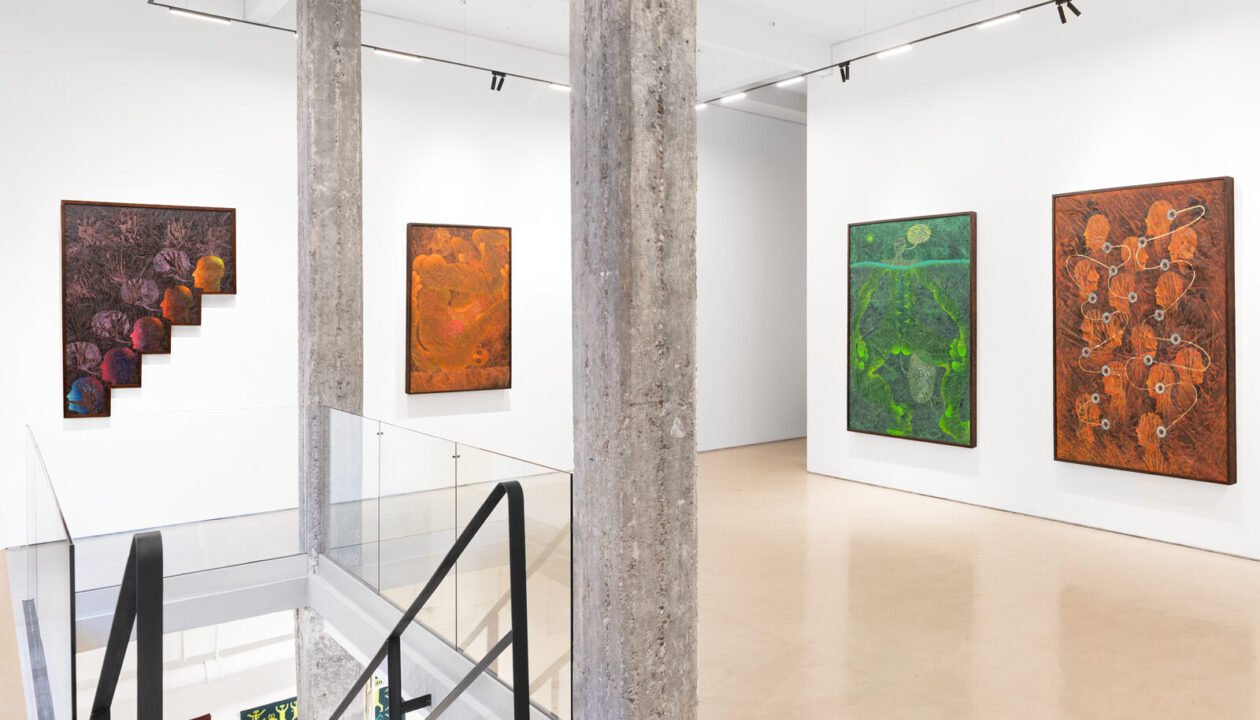
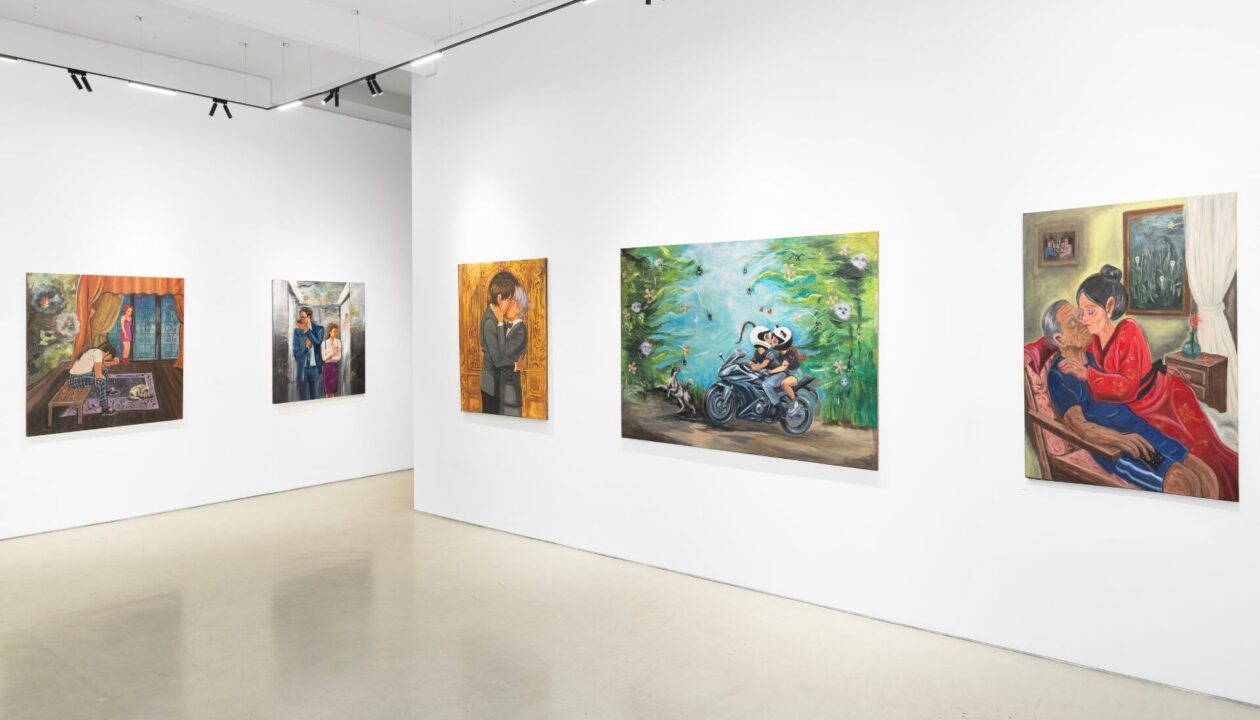
The elements that make up their imaginary world come together and unfold like a relentless thriller that sustains tension without rushing toward a resolution. Their paintings do not conceal their artificial nature or the character of their execution; their smooth, precise facture and chromatic saturation allow them to move with assurance, depicting situations that seem to have been extracted from a broader context.
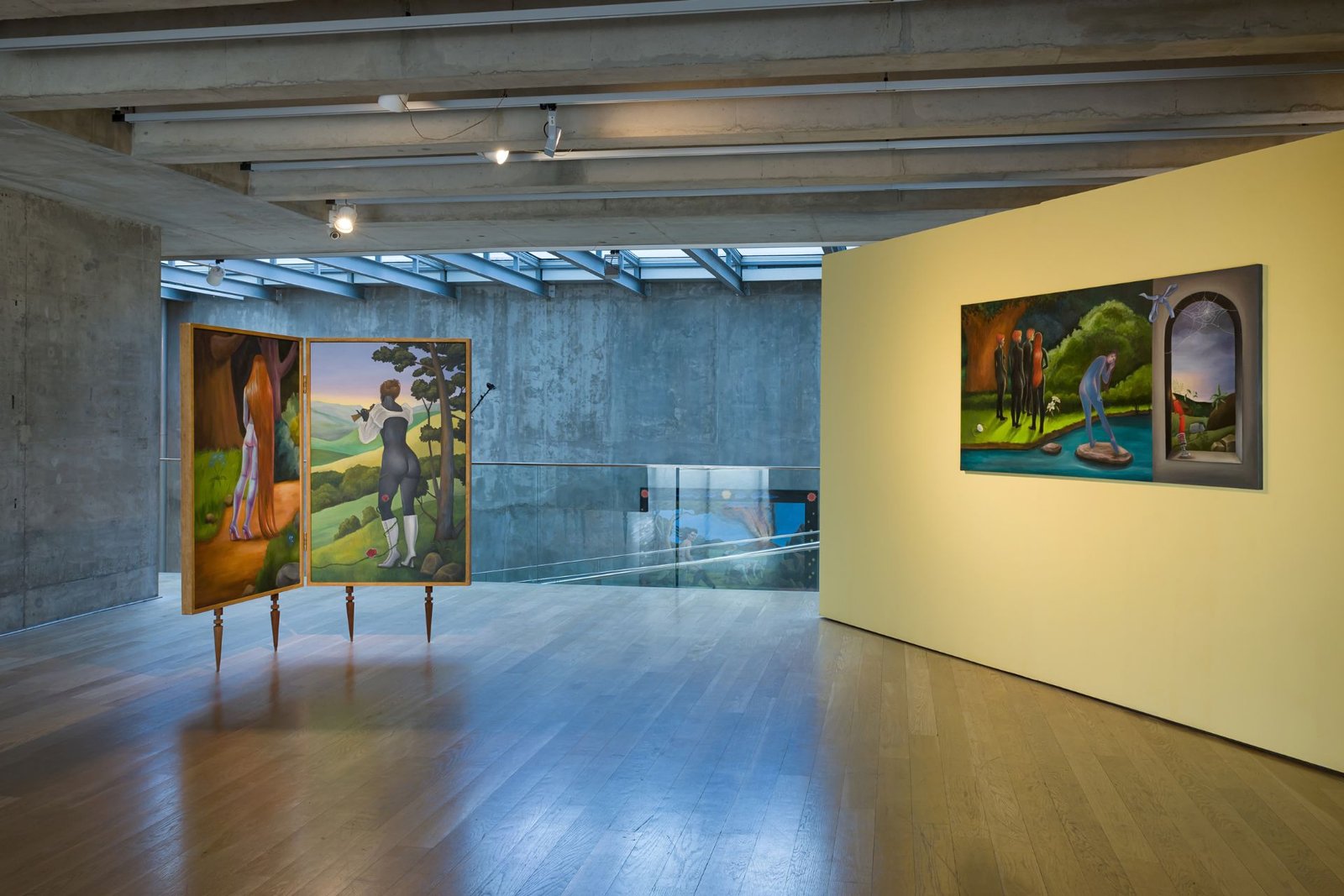
Pocetti works by encoding ideas, intuitions, and thoughts, drawing on classical resources without overlooking contemporary intersections. The elements that make up her imaginary world come together and unfold like a relentless thriller that sustains tension without rushing toward a resolution. Her paintings do not conceal their artificial nature or the character of their execution; their smooth, precise facture and chromatic saturation allow them to move with assurance, depicting situations that seem to have been extracted from a broader context. There are landscapes without coordinates, unsettling doubles, windows, and liturgies. Each image is a slippage in the regime of vision; they remain extremely close to reality, yet take refuge in themselves in order to proliferate, constantly reorganizing their own repertoire until it becomes unrecognizable and mysterious. They are vibrations that move in and out of reality, generating unclassifiable thresholds.
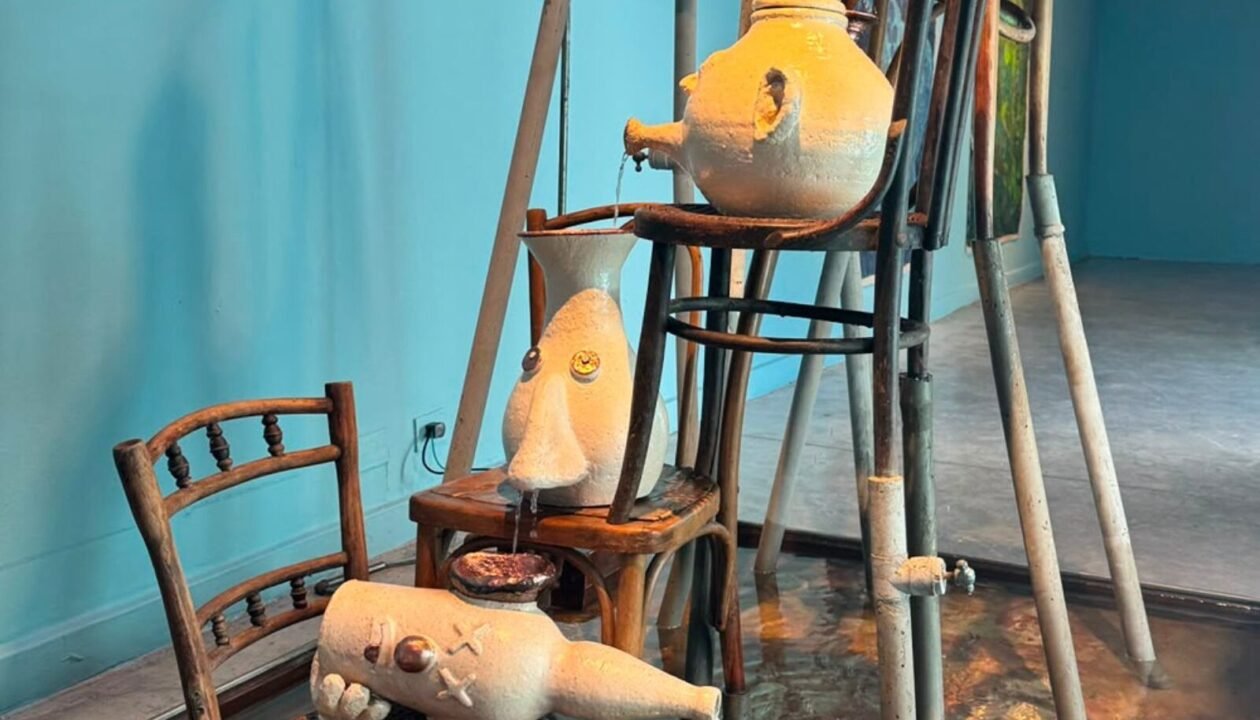
This exhibition opens itself to the multiplicity of facets that run through the artist’s practice, articulating a hypothesis centered on painting and its capacity to cast visions that challenge our understanding of reality. ¡Curada de espanto! creates counterpoints between works from different periods of production, allowing different paths to be traced through the appearance and disappearance of the paintings, which move throughout the gallery space, evading unifying perspectives and any possibility of immediate vision.
The paradox that runs through Pocetti’s work lies in the fact that her paintings seem to arrange themselves as scenes, resisting the impulse to become narratives, while simultaneously expanding and generating a language of their own. Everything seems to announce that something has happened or is about to happen, yet painting shifts that expectation toward another experience: that of an image that remains open, suspended over its own emergence. Perhaps this is where the singularity of her practice lies: in the possibility of producing a slight disjunction in the world we inhabit every day, altering, for an instant, the way it is perceived.

Aizicovich /
Melodía Encadenada
Renata Juncadella / Verónica Gómez /
Juntar los bordes de la noche
Canevari /
Fuerza Mayor
Aizicovich /
Habla para que pueda verte
PECCI CAROU /
The Vigil of Eros
LEVY /
Third Spectral Atomic
PAREDES /
A handful of earth
JUNCADELLA /
What cuts is a shortcut
GIMÉNEZ /
Shell for something immense
CALFAT /
Principle of innerness

PAREDES /
El jardín interior

VALENTINI /
La frontera fantasma

GRADÍN /
Genealogía Vegetal

GÓMEZ /
Las vestiduras peligrosas