LUCILA GRADÍN
Over the past decade, the artist Lucila Gradín (Bariloche, 1981) has collaborated with homeopaths, healers, philosophers, and women farmers to recover forms of knowledge that recognize plants as teachers and guides. A turning point in her practice came when she discovered that every medicinal plant is also dye-producing, a finding that led her to understand the color that emanates from them as an expansive wave of healing.
Bio
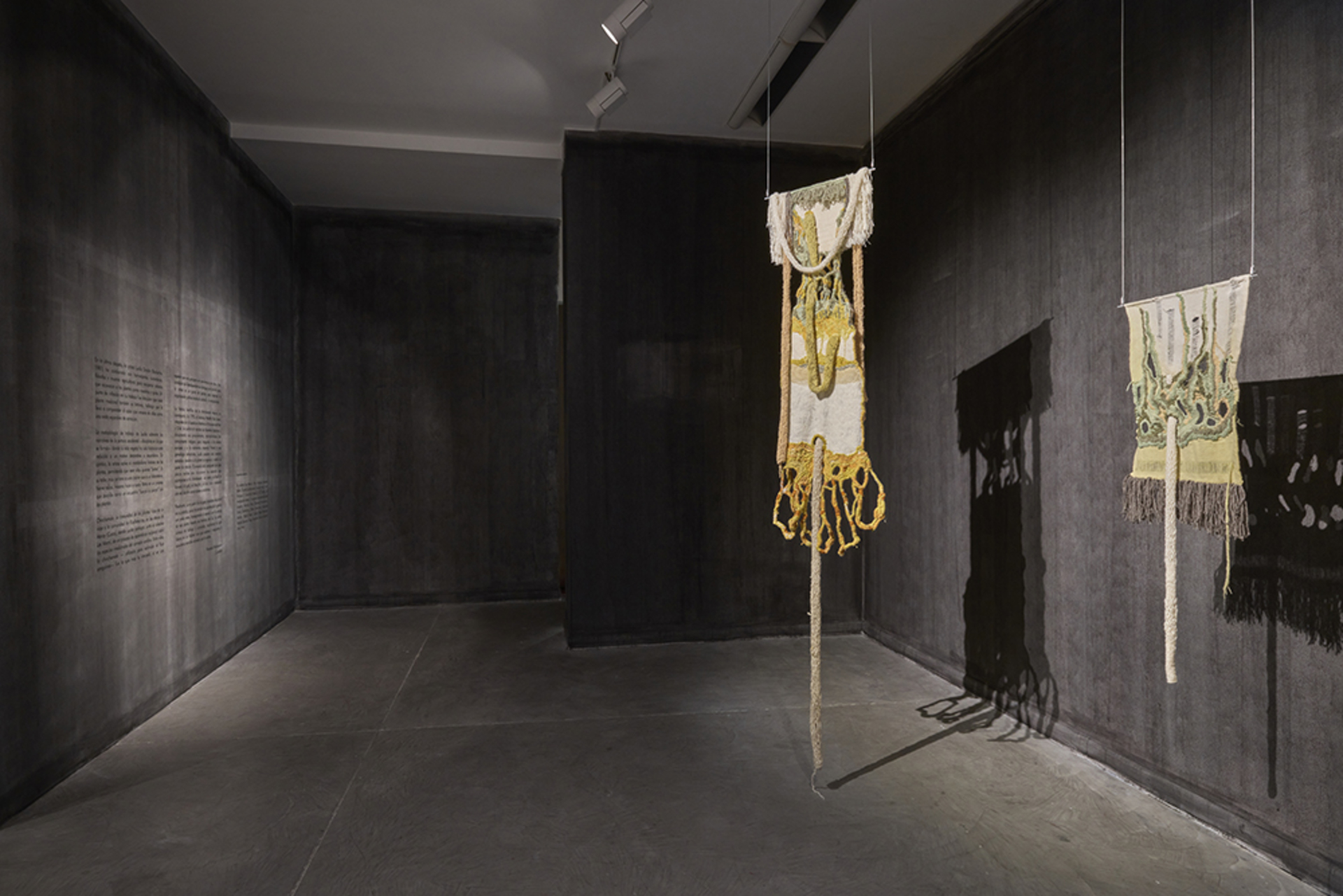
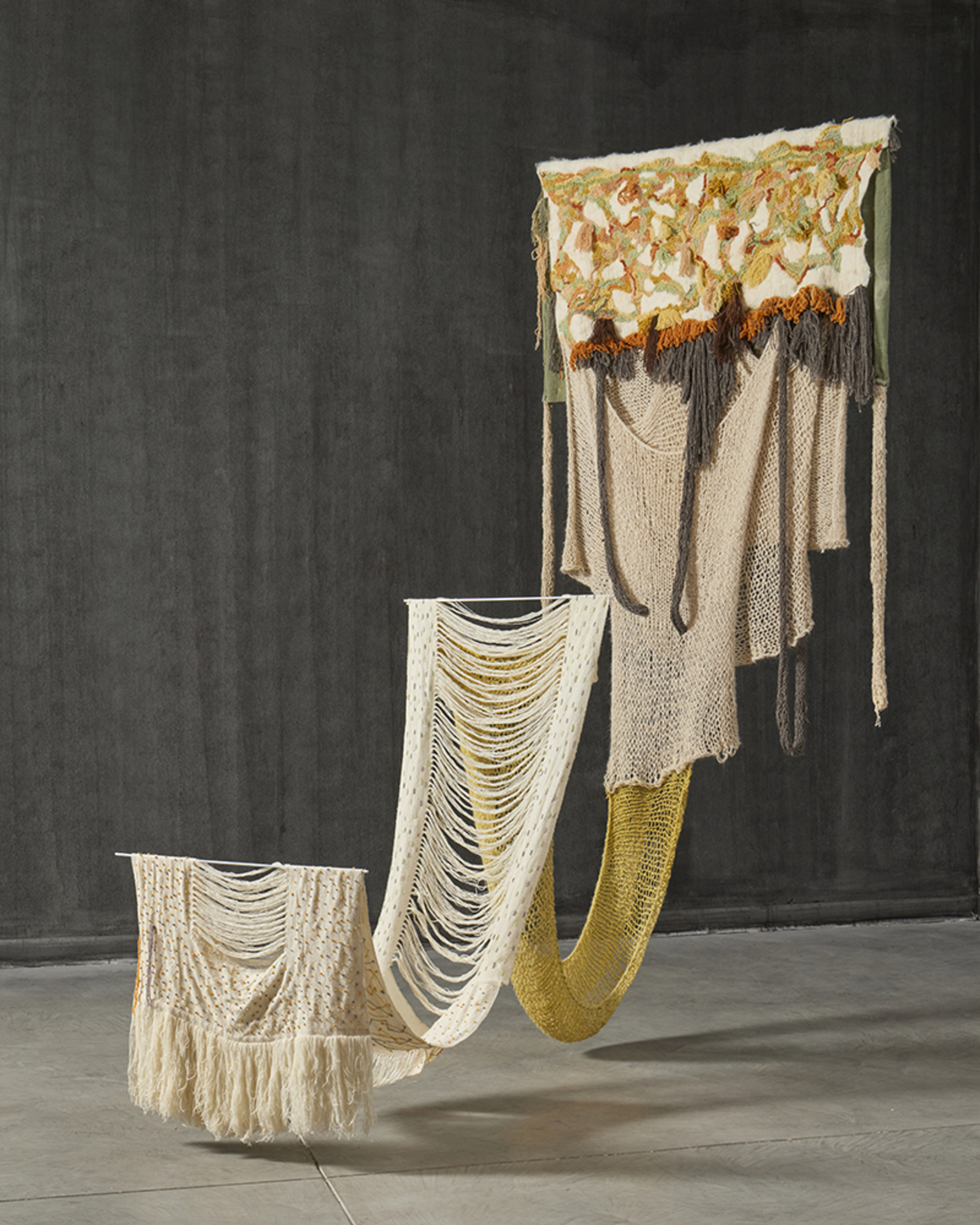
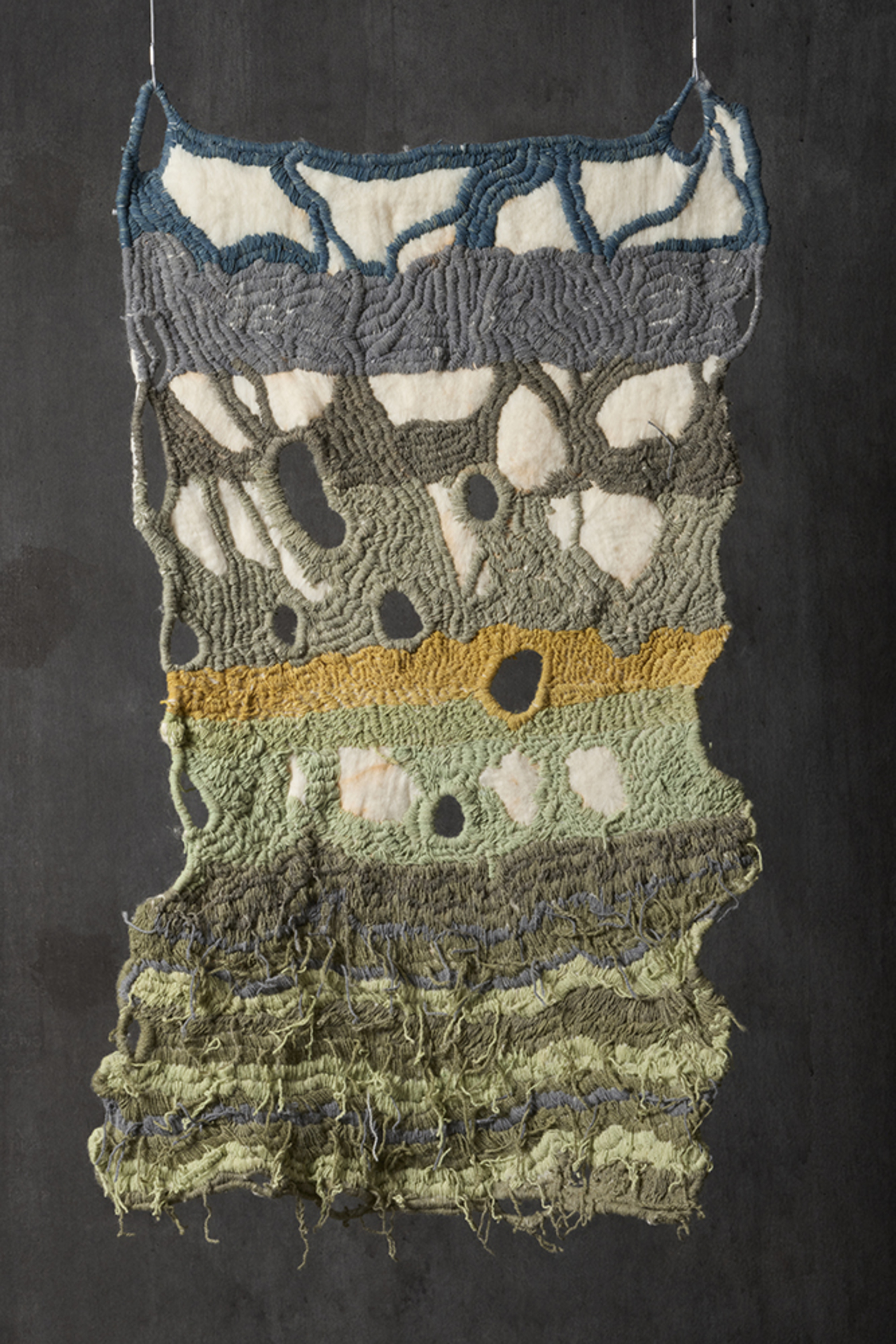
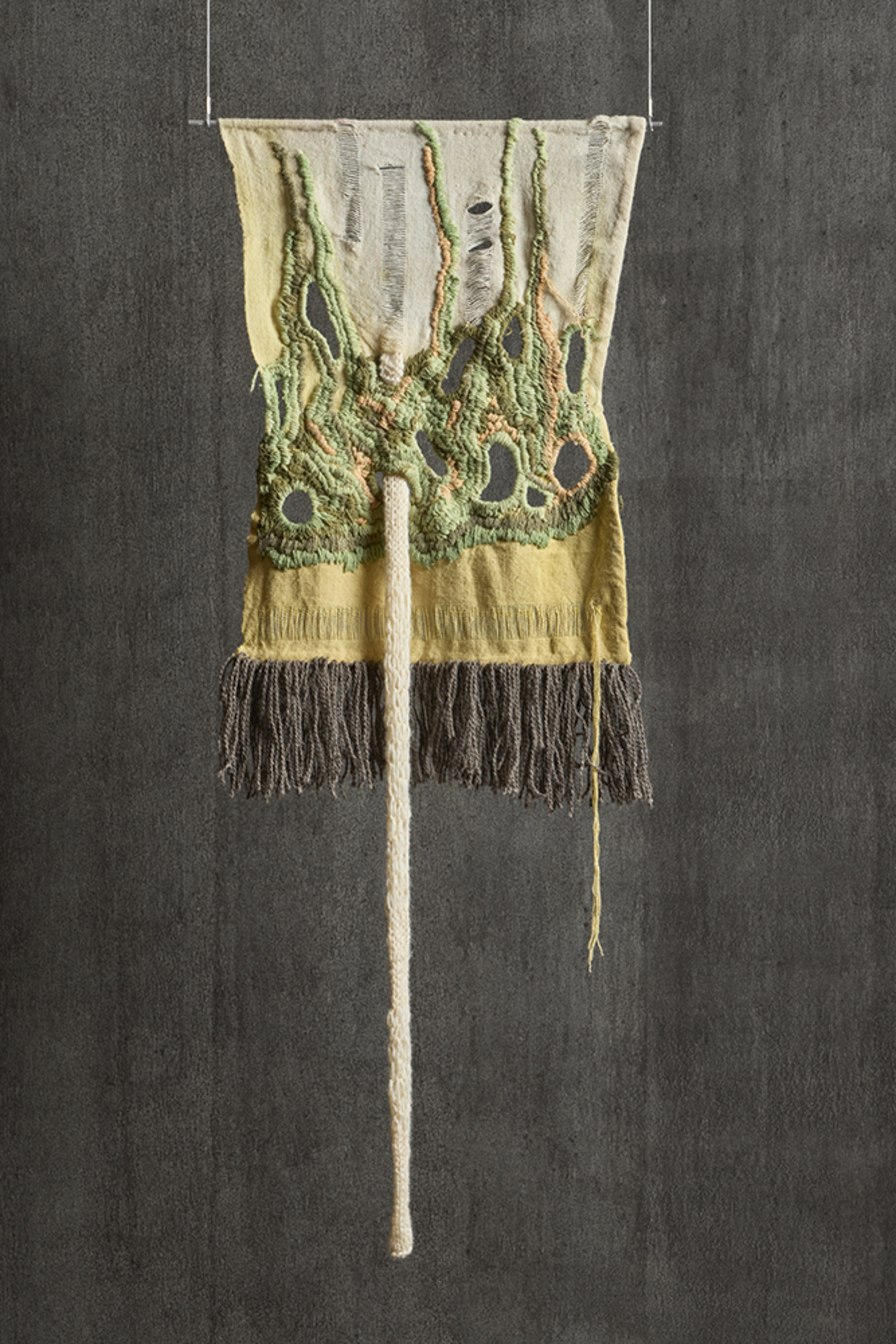
Lucila’s working methodology subverts the narratives of Western painting—the discipline in which she was trained—where plant life has historically been reduced to a decorative or secondary motif. Instead, the artist activates the chromatic metabolism of plants, allowing them to “paint.” In her studio, closer to a kitchen than a laboratory, she boils roots, macerates leaves, and cooks fibers in a process she describes as a “body-to-body” encounter with plants. Chinchamale: The Community of Plants emerged from a journey to the community of K’acllaraccay, in the highlands of Moray (Cusco), where Lucila participated, together with the collective Las Warmi, in a process of reciprocal learning about the medicinal species of the Andean corridor. Among them, the chinchamale—used to regulate blood flow—was the one that most deeply resonated with her, as it is a species that only thrives in coexistence with others. This condition of biological interdependence became, for the artist, a starting point to rethink political organization through care and reciprocity.
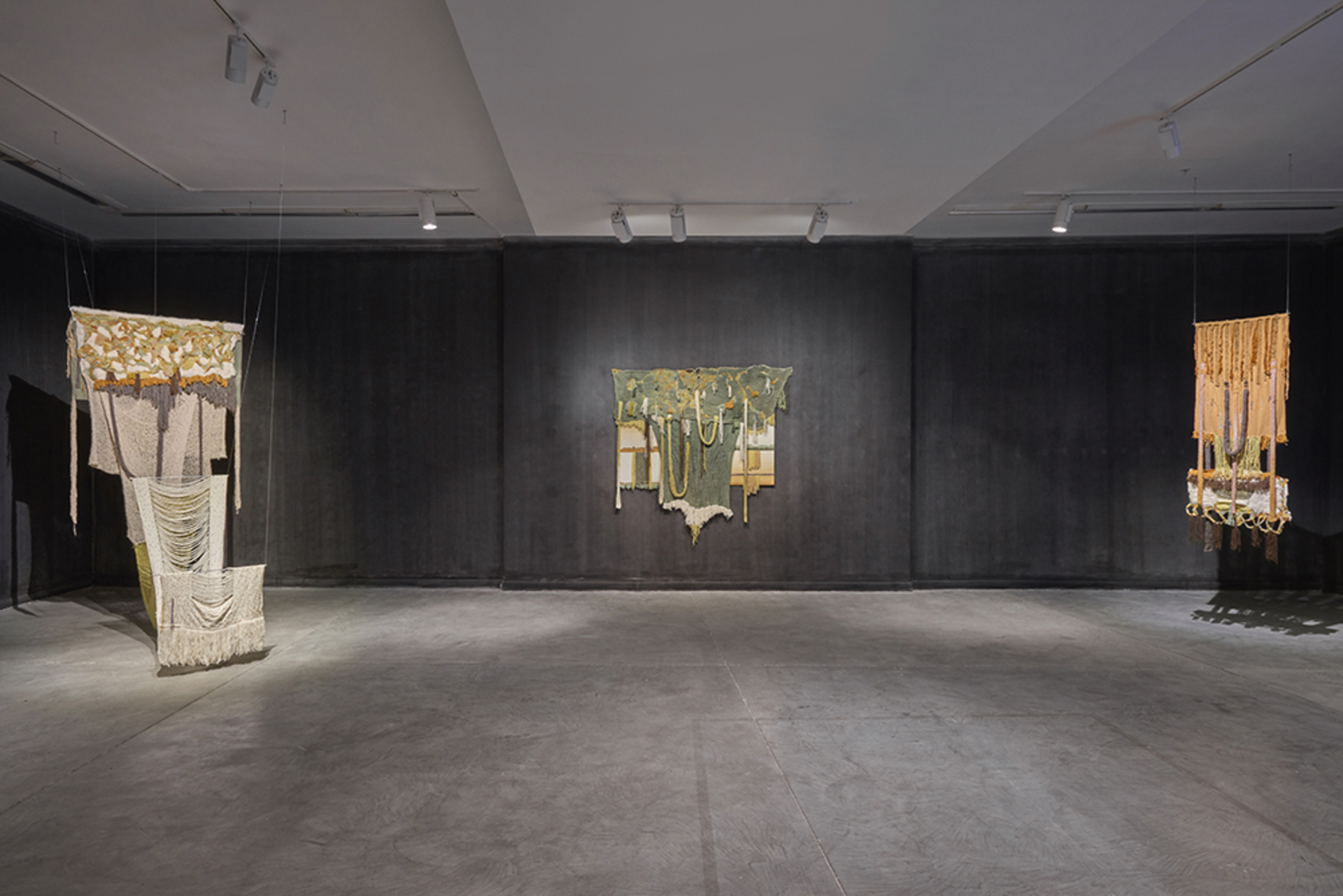
The scientific history of chinchamale resonates in counterpoint. In 1795, the botanist Hipólito Ruiz López, a member of the Royal Botanical Expedition to the Viceroyalty of Peru and Chile, assigned it the name Krameria lappacea and documented its properties, appropriating Indigenous knowledge to integrate it into European science and the imperial economy. Against this extractivist genealogy, Lucila proposes a symbolic inversion: to return agency to the plant and restore its relational power. The project is composed of seven textile pieces that incorporate the species that accompany chinchamale—marco, llaulli, kiswara, qolle, cheqche, and chiri chiri—revealing a living network of symbiotic entanglements.
Finally, as part of a recurring installation gesture in her practice, Lucila has painted the gallery walls with yerba mate, imbuing the space with the energy of this master plant of South America. Yerba mate, a symbol of dialogue and communion, transforms the white cube into a living habitat that sustains and shelters the sensitive ecosystem recreated by the artist.